Thinking about listing your Craftsman this spring, or planning post‑close projects for a mid‑century gem? Older Multnomah homes can deliver impressive returns when you update with both value and character in mind. You want to modernize function, cut energy costs, and keep the style buyers love. This guide shows you where to focus, what to preserve, how permits and incentives work locally, and how to time projects for a spring market. Let’s dive in.
What makes older Multnomah homes special
Portland and greater Multnomah County are rich with Craftsman, bungalow, and mid‑century homes. Buyers often place real value on intact character. When you protect those features and refresh with care, you usually get stronger market reception than with a full modern overhaul.
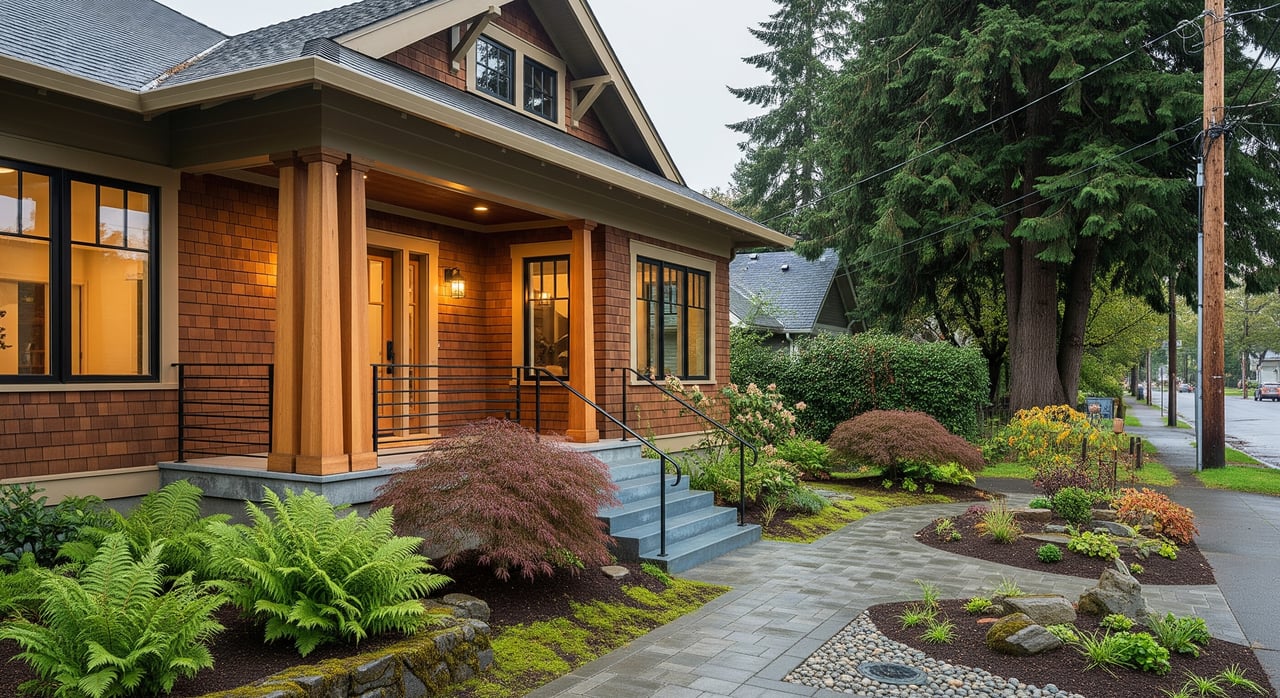
- Craftsman and bungalows: Think low gabled roofs, wide eaves, tapered porch columns, original wood windows and trim, built‑ins, and hardwood floors. Preserve porch details, window proportions, built‑ins, and moldings.
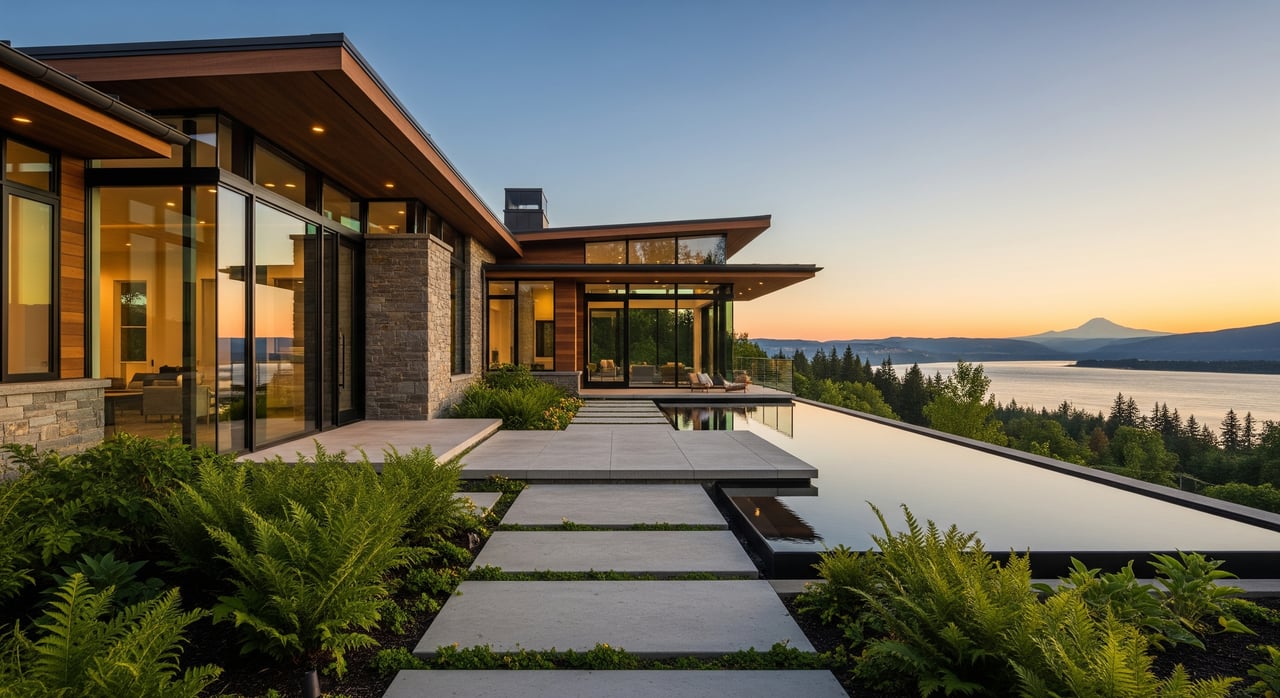
- Mid‑century homes: Look for low or flat roofs, large windows, simple horizontal lines, post‑and‑beam structures, and warm wood materials. Preserve sightlines, window expanses, and original finishes.
- Common issues: Older mechanicals, limited insulation, single‑pane windows, lead paint, possible asbestos, and deferred porch or trim repairs are typical. Address safety, moisture, and electrical concerns early.
Kitchen updates that pay off
Kitchens move buyers, but layout changes can get expensive fast. You often get better ROI by refreshing what you have and keeping the floor plan intact.
Keep the layout
Retain the existing footprint when you can. Moving plumbing and walls usually reduces return. Focus on upgrades that improve function and appearance without major structural work.
Cabinets and counters
- Keep and refinish original cabinets when possible. If replacements are needed, simple shaker‑style doors that match original profiles usually read period‑appropriate.
- Choose countertops that fit the era. Honed stone, butcher block, or simple quartz can complement Craftsman and mid‑century palettes.
- Restore built‑ins and trim to keep that vintage warmth buyers love.
Lighting and appliances
- Add layered lighting with period‑compatible fixtures and warm LED color temperatures for comfortable task light.
- Replace or refurbish appliances with energy‑efficient models. Finishes that do not fight the home’s style, such as simple stainless or clean enamel, keep the look cohesive.
Quick visual wins
- Update hardware with period‑appropriate knobs and pulls.
- Paint cabinets in timeless, neutral colors.
- Install classic tile like subway or penny rounds.
- Refinish wood floors to highlight original character.
Bathroom refresh that returns
You rarely need to gut an older bath to get results. Aim to remove dated finishes, solve functional issues, and respect the home’s era.
Layout and tile choices
Retain the layout if it works. Use ceramic tile in classic patterns like subway, hexagon, or basketweave. Where possible, reglaze or refresh a sound tub instead of replacing it.
Fixtures and ventilation
Select fixtures with simple, era‑friendly lines. Cross‑handle or early lever styles can nod to the period without feeling theme‑heavy. Improve ventilation and lighting to protect your investment and pass inspections with confidence.
Budget‑friendly upgrades
Swap in a vanity with classic lines, renew grout and caulking, and replace the toilet with an efficient model. These updates clean up the look and reduce inspection flags.
What buyers notice
Buyers respond to bathrooms that feel clean, functional, and consistent with the home’s style. Mid‑range cosmetic updates often deliver solid returns when they eliminate obvious datedness and moisture risks.
Energy and systems buyers value
Energy performance is a strong and growing priority in Portland. These upgrades cut monthly costs, support electrification goals, and often qualify for incentives.
Heat pumps and water heating
Air‑source heat pumps and heat pump water heaters can improve comfort and efficiency. If you want to phase work, consider a heat pump water heater now and address space heating next. Review current options and incentives through the Energy Trust of Oregon.
Insulation and air sealing
Attic insulation, air sealing, and duct sealing are often the most cost‑effective ways to improve comfort and bills while keeping historic elements intact. For general guidance on weatherization and heat pump technologies, visit the U.S. Department of Energy.
Windows: restore before replace
Full window replacement can be costly and may not return as much as you expect. First consider weatherstripping, sash restoration, storm windows, and selective reglazing to preserve wood profiles and divided lights. If replacement is unavoidable, match proportions and patterns closely to the originals.
Panels and wiring safety
Older homes often need electrical updates. If you plan to add heat pumps or an EV charger, a service panel upgrade may be required. Address knob‑and‑tube wiring and any safety concerns before listing or remodeling.
Curb appeal and exterior repairs
First impressions matter. Exterior repairs and paint can deliver outsized perceived value, especially when done with period‑appropriate materials and colors.
- Repair original porch elements, columns, railings, and trim when feasible.
- Repaint with a palette that highlights the architecture without overwhelming it.
- Replace missing or badly deteriorated siding with matching profiles.
- Refresh landscaping with low‑maintenance plantings, tidy paths, and working, era‑sensitive porch lighting.
- Repair or replace the front door with a style true to the home. Solid wood doors fit Craftsman styles, while simple, clean lines work for mid‑century.
Permits, historic review, and timelines
Most mechanical, electrical, plumbing, structural, roofing, and many window projects require permits. Start early to avoid delays.
- Review permit requirements with the Portland Bureau of Development Services. If your property is in a historic district or is a designated landmark, you may also need design or Historic Resource review. Check the City of Portland Historic Resources page.
- If you are in an unincorporated area or another city within the county, verify your jurisdiction through Multnomah County resources.
- Plan for permit timelines ranging from weeks to months depending on scope and historic review. Book contractors after permits are pulled to keep schedules on track.
Lead, asbestos, and moisture safety
Safety and compliance protect both people and property value in older homes.
- Lead paint: For pre‑1978 homes, use lead‑safe work practices and certified contractors when disturbing painted surfaces.
- Asbestos: Test older floor tiles, mastics, pipe insulation, and some sidings before work begins. Use licensed abatement contractors if needed.
- Electrical and moisture: Address knob‑and‑tube wiring, aluminum branch circuits, and ventilation issues. Fix roof, attic, and crawlspace moisture sources to avoid bigger problems later.
Incentives and how to use them
Local and federal programs can reduce the net cost of energy upgrades and improve your ROI.
- Review current residential incentives through the Energy Trust of Oregon. Many programs require specific equipment and qualified installers.
- Explore state programs and guidance through the Oregon Department of Energy. Pair these with federal tax credits where eligible.
- Keep pre‑approvals, invoices, and rebate documents. Buyers appreciate documentation of energy improvements and estimated savings.
Timing your spring listing
Give yourself enough runway so work finishes before photos and showings.
- 2 to 6 weeks: Paint, hardware, landscaping, quick kitchen and bath refreshes.
- 6 to 12+ weeks: Kitchen facelifts, bath rehabs, and mechanical upgrades, including permits and scheduling.
- Several months: Layout changes, major HVAC conversions, and window projects with historic review.
- Leave 1 to 2 weeks after completion for photos, cleaning, punch lists, and staging.
Hiring the right contractors
Choose professionals who know historic homes and local rules. That experience shows in the finished product and helps avoid delays.
- Verify licenses, insurance, and references. Ask about historic restoration experience, including windows, millwork, and porches.
- Get multiple, scope‑based bids with clear inclusions, exclusions, timelines, and payment milestones.
- For energy projects, confirm incentive eligibility, required pre‑inspections, and installer qualifications before you sign.
Budgeting and phasing smartly
If you need to prioritize, tackle projects in this order to balance safety, comfort, and market appeal.
- Safety and structure: Electrical hazards, roof leaks, porch repairs, and moisture control.
- Systems and efficiency: Insulation, air sealing, duct work, heat pumps, and water heaters.
- Cosmetics and curb appeal: Paint, hardware, lighting, tile, and landscaping.
For a national perspective on typical returns, the annual Remodeling Cost vs. Value reports can help frame expectations. Your local outcomes will depend on scope, craftsmanship, and how well updates fit the home’s style.
For buyers: plan post‑close projects
If you are buying an older home, use your inspection period to scope near‑term upgrades and budget.
- Get assessments on mechanicals, insulation, and roof to plan first‑year projects.
- Consider staged electrification: start with a heat pump water heater, then space heating, and plan for a service panel upgrade if needed.
- Address ventilation and moisture control early to protect finishes.
- Preserve period features while improving comfort so you keep both value and the home’s soul.
Marketing your upgrades when selling
Tell the story of your home’s character and how you improved it with care.
- Highlight restored built‑ins, original windows or period‑appropriate replacements, porch details, and trim.
- List energy upgrades clearly and include paperwork such as audits, rebate confirmations, and equipment specs.
- Keep invoices and warranties organized to reassure buyers and appraisers.
Ready to map your plan?
Whether you are prepping to sell this spring or planning your first year of projects after closing, a focused, period‑sensitive plan pays off. If you want a room‑by‑room strategy, trusted contractor referrals, and help timing work for the market, reach out to Marjie Van Der Laan for a personalized consultation.
FAQs
What are the best high‑ROI kitchen upgrades for a Portland Craftsman?
- Keep the layout, refinish or reface cabinets to match original profiles, choose honed stone or butcher block counters, add period‑compatible lighting, and update to efficient appliances.
Do I need a permit to replace windows in a Portland historic district?
- Many window projects need permits, and historic districts often require review before altering character elements; check the Portland Bureau of Development Services and confirm with Historic Resources before you start.
Are heat pumps and heat pump water heaters worth it in Multnomah County?
- Yes, buyers value lower utility costs and comfort, and incentives from the Energy Trust of Oregon can reduce net costs when you use qualifying equipment and installers.
How can I improve window efficiency without replacing original wood windows?
- Add weatherstripping, repair sashes, reglaze where needed, and use interior or exterior storm windows to preserve character while boosting performance.
What safety checks should I do before remodeling a pre‑1978 Portland home?
- Test for lead and asbestos, use lead‑safe work practices, evaluate electrical systems for knob‑and‑tube, and address moisture sources in the roof, attic, and crawlspace.
How far in advance should I start upgrades before a spring listing?
- Start small cosmetic work 2 to 6 weeks out, plan 6 to 12+ weeks for kitchen, bath, or mechanical updates, and allow several months for projects needing historic review or major HVAC changes.